Denver March Powwow Turns 50: Reflecting on the Past and Looking to the Future
News List
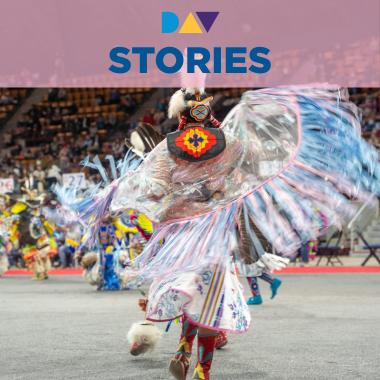
What began from a modest youth enrichment effort in the 1970s has grown into one of the most significant Native American gatherings in the region. This year, the Denver March Powwow celebrates its 50th anniversary, a milestone that speaks to the event’s longevity, resilience and the power of tradition.
The powwow’s origins trace back to the Denver Indian Center, where organizers first envisioned a program to bring Native youth and their families together. Over the decades, that vision has blossomed into the annual gathering we all know and love that fills the Denver Coliseum with singers, dancers, drummers, artists, vendors and thousands of attendees who travel from across the region to take part.
Few people have witnessed that evolution as closely as Executive Director Grace Gillette, who has been involved with the powwow from the beginning.
“We are the closest to a traditional powwow held in any urban area,” Gillette said. “Having a big celebration for 50 years is not really something we would traditionally do, but as a business, we are just happy that our grassroots organization has survived all these years.”
Despite the growth, the heart of the powwow remains much the same.
“The dancing portion has not changed in 50 years,” Gillette explained. “The way we run things in the arena has not changed.”
But sustaining a half-century tradition has not come without challenges. Colorado’s unpredictable spring weather has occasionally complicated the event, but nothing tested the powwow’s future quite like the COVID-19 pandemic.
“The one thing that really scared us was during COVID,” Gillette said. We got canceled for two years. It was a really hard time making it through, but with perseverance and good leadership, we did. It just goes to show what a resilient people we are as Natives.”
When the powwow finally returned in 2022, the sense of relief was palpable, even if the mood remained cautious. “The attendees were there and they were happy,” Gillette recalled. “But by 2023, the energy in there was amazing. It was like, ‘We are out of this. Life will go on.’”
Now, as the powwow celebrates five decades, its organizers are also looking toward the next generation of leadership.
Gillette’s granddaughter, Larissa No Braid, has become one of the key figures helping guide the event into the 21st century, blending tradition with modern tools that connect younger audiences.
No Braid has already begun modernizing some aspects of the event’s operations.
“We’ve updated the website, with online registration starting in 2022,” she said. “Over 120 dancers registered online this year, which broke a record. We’ve also seen the powwow start to be covered on TikTok, which is different.”
She also launched a podcast two years ago, which she hopes to expand in the future – another way of sharing powwow culture with broader audiences.
But for now, both Gillette and No Braid are just happy to see the tradition continue after all these years.
“We are just thankful for everyone who has gotten us to this point,” No Braid said. The people on the committee, staff and volunteers, and those who participate, from dancing to being a vendor.”
That feeling is mutual for Denver Coliseum’s Venue Director Tad Bowman. “It is amazing to host such a culturally significant event that means so much to our indigenous community at the Denver Coliseum. We hope that the March Powwow calls Denver its home for the next 50+ years.”
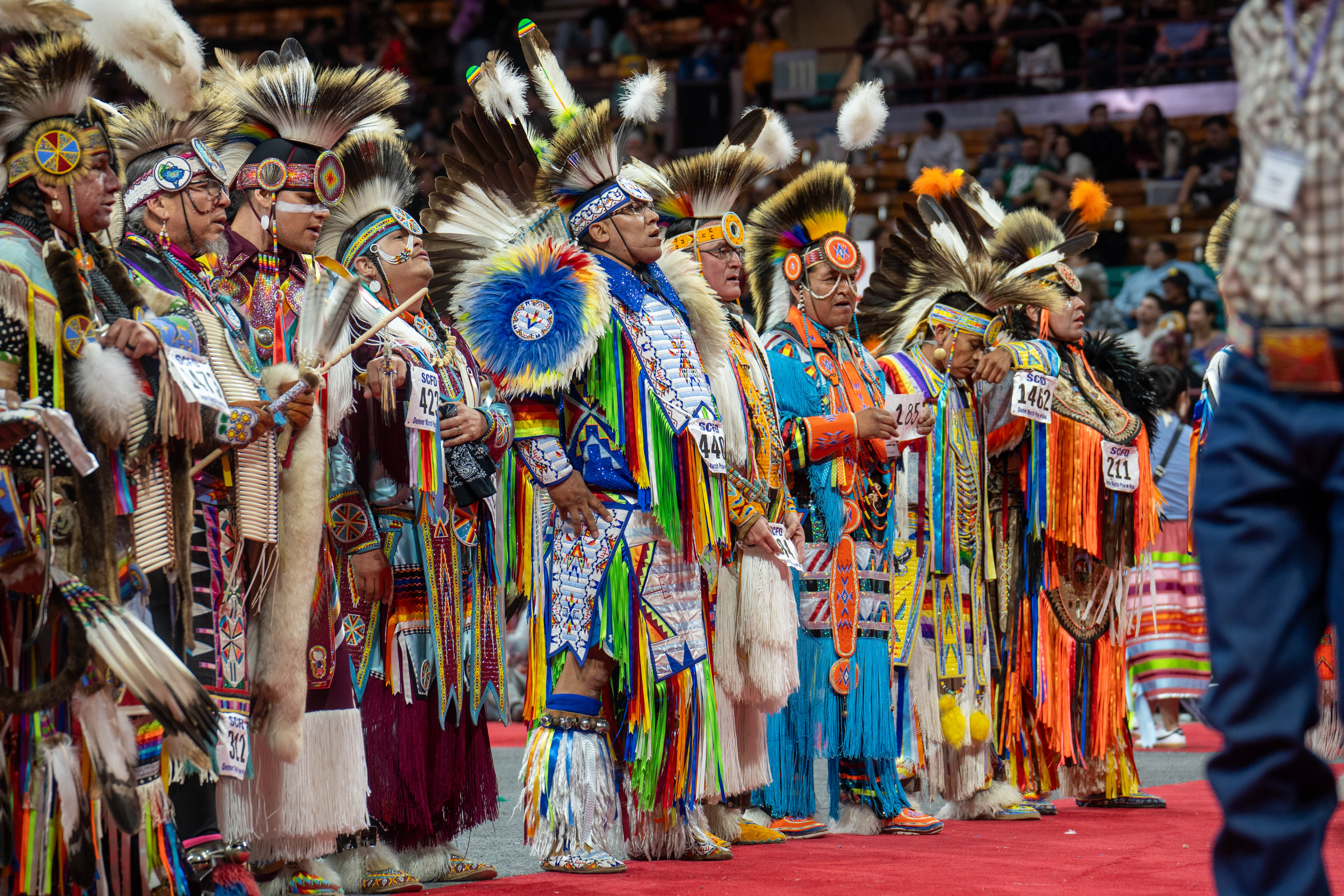
“For people my age, both Native and non-Native, it’s a celebrational light. We made it through another winter,” added Gillette. “A lot of our dancers are out on the floor with the tiny tots. Then there are those 70 years old and older, who are living treasures. To see them out there still physically active and participating, with the look on their face that is just so happy to be there – that’s just so very important.”
Fifty years after it began, the Denver March Powwow remains exactly what it was meant to be: a place where generations gather and traditions endure, with each generation carrying the past forward into the future.